


The Psychology of Energy Flow in Renovated Spaces
How Spatial Rhythm, Light, and Material Resonance Shape Human Behavior in Energy‑Centric Renovation
by BISTOON Group – Energy‑Centric Luxury Renovation Specialists (Tehran)
Introduction: Space as a Living System
Every space—whether residential, commercial, or cultural—possesses a silent pulse. It breathes, contracts, and expands not through walls, but through energy. In luxury renovation, this energy becomes the true language of design: a rhythm that connects human consciousness to physical environment.
At BISTOON Group, energy is not a metaphor. It is an operational principle. The approach of BIEP‑2.0 (Behavioral‑Integrated Environmental Protocol) transforms each renovation into a living ecosystem where material, light, and human rhythm form an aligned field. Within this alignment, aesthetics cease to be decorative—they become functional expressions of flow.
Energy‑centric renovation is, therefore, neither a visual style nor an engineering formula. It is an orchestration of unseen frequencies that influence behavior, well‑being, and memory. The architecture of the renovated space becomes a psychophysical experience rather than a composition of shapes.
I. Spatial Rhythm and Human Behavior
The Unseen Pulse of Movement
Before any architectural intervention, a space already holds its own rhythm—a hidden arrangement of forces produced by circulation, light direction, and emotional density. When renovation begins, this rhythm must not be erased. It should be interpreted and tuned, much like adjusting a musical chord.
In our projects, rhythm defines not only how people move, but how they feel while moving. The design’s aim is not to control motion but to curate comfort through continuity. The moment rhythm aligns with human perception, architecture transcends physicality and becomes behavioral.
This is what BIEP‑2.0 calls Temporal‑Rhythmic Alignment: the synchronization between human perception of time and spatial energy cycles. When people experience coherence rather than interruption—when transitions between zones feel natural—they engage emotionally.
 From Static Form to Behavioral Flow
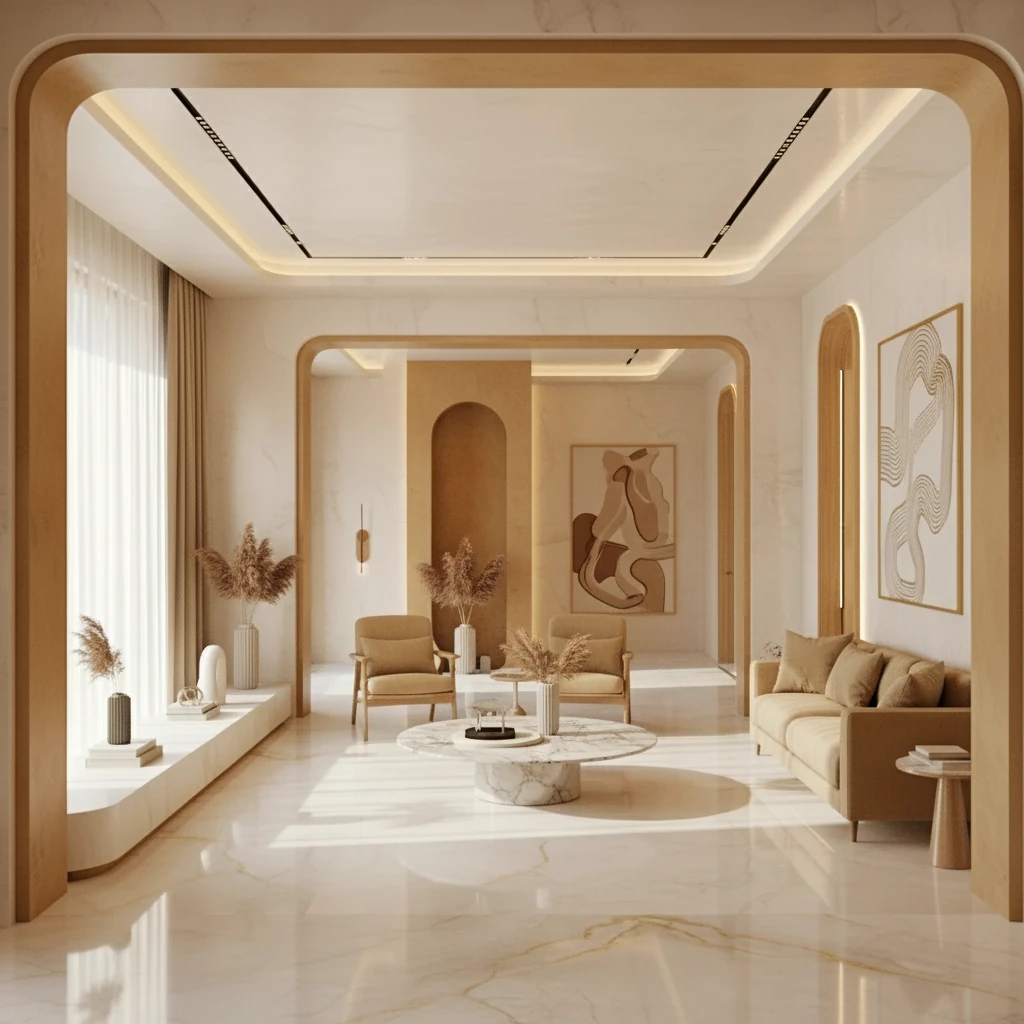
Traditional renovation often isolates form from use. Walls separate, furniture dictates, and circulation becomes mechanical. BISTOON Group repositions this narrative: for us, rhythm is architecture’s subconscious interface with behavior.
Each renovated layout is guided by three parameters:
- Continuity of Energy Paths — how light and air traverse between borders.
- Behavioral Sequences — predicting the natural order of human actions through space.
- Temporal Awareness — ensuring the occupant experiences time as gradual and balanced.
When these parameters weave together, the space breathes. Movement unfolds intuitively; light connects instead of isolating; sound and silence alternate in harmony. The user no longer walks through architecture—they experience energy in motion.
II. Material‑Light Resonance in Energy‑Centric Renovation
Light as Living Matter
Within BISTOON’s design philosophy, light is not the final touch—it is the beginning. It defines reality, depth, and emotion. In a renovated interior, controlled light determines how energy manifests across surfaces, guiding both perception and mood.
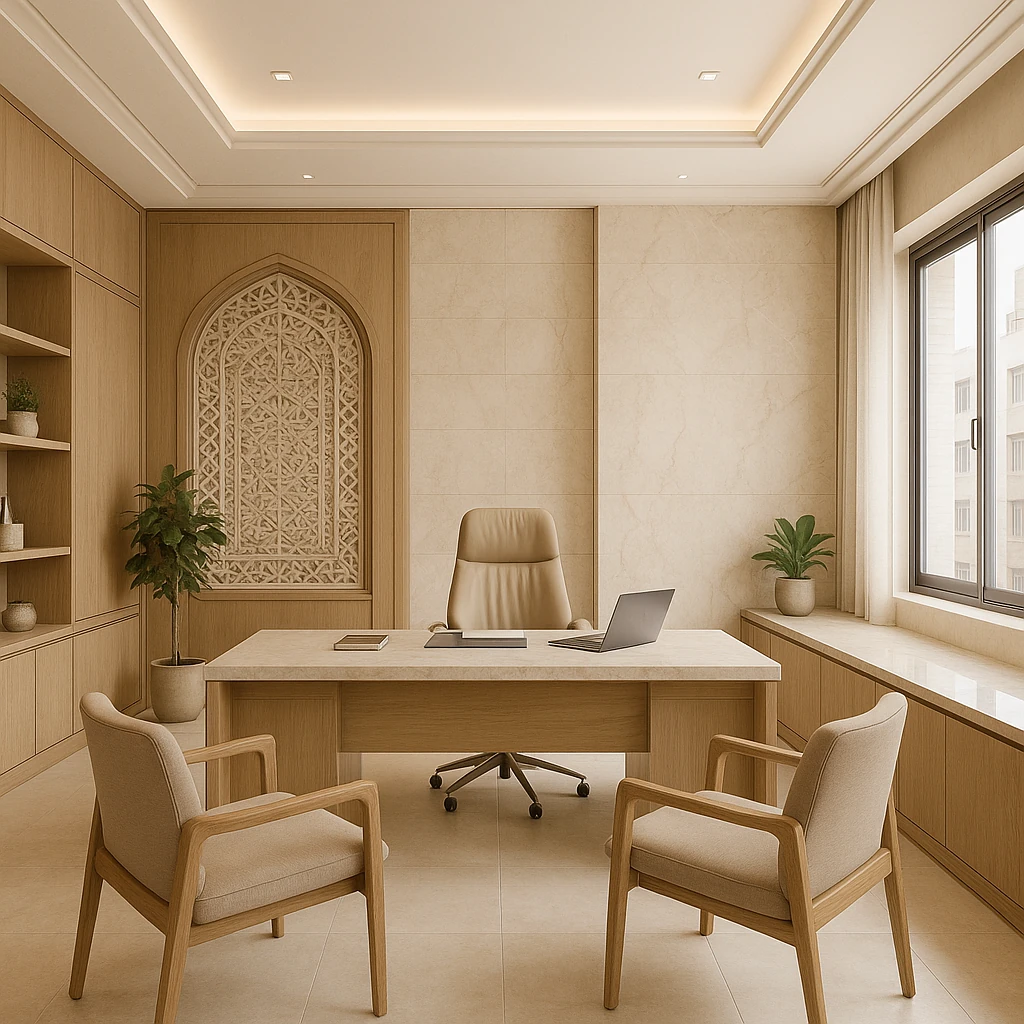
Every material carries a distinct frequency response to light. Wood absorbs warmth; brushed metal refracts with intensity; stone diffuses steadiness. By understanding these micro‑behaviors, BIEP‑2.0 translates photometric analysis into emotional strategy. This is what we define as Material‑Light Harmonics: the science of resonance between form and illumination.
When surfaces communicate fluently with natural light, architecture reveals its dual identity—structural and sensory. Morning light softens textures; evening illumination deepens contrast. A silent dialogue begins, gently modifying human emotion.
From Material Selection to Energy Consciousness
In commercial renovation, the question is often “Which material looks more luxurious?”
At BISTOON Group, the question becomes:
“Which material contributes to the equilibrium of energy in motion?”
Luxury is not about surface value; it is about resonance and response. A properly chosen texture can soften a transition zone, stabilize acoustics, or even recalibrate thermal balance. True material curation therefore begins with sensing rather than seeing.
For example, in our Tehran renovation projects we often juxtapose raw travertine with satin aluminum. The stone holds memory—dense, timeless, grounded—while the metal generates reflection, agility, and modern temporality. Their contrast forms a living dialogue that continuously balances visual gravity with kinetic lightness.
The Memory of Light
The concept of “light memory” emerges at this intersection of matter and energy. It refers to how the human brain archives emotional states triggered by illumination patterns. In an energy‑centric renovation, we consciously design for memory retention. When light interacts with surfaces at different times of day, it evokes a temporal narrative.
Soft perimeter light around a reading corner builds intimacy. Controlled skylight across a gallery wall suggests openness. These are not functional details—they are psychological cues that condition future comfort. The user may not remember the dimensions of the room, but will always recall how its light made them feel.
III. Memory, Time, and Psychological Renewal
Spatial Time as an Emotional Medium
Time in architecture is rarely discussed beyond scheduling. Yet for BISTOON Group, time is the invisible structure of perception. Each moment a person spends in a space generates psychic resonance. We view this as a cyclical relationship between past experience and renewed presence.
When a building undergoes renovation, the body returns but the memory remains. The challenge is to honor the past without being imprisoned by it. That is why the BIEP‑2.0 method integrates what we call the Psychic Renewal Cycle: an orchestrated layering of past memories and new sensorial triggers.
In practice, this may mean preserving a fragment of an old wall’s texture, allowing traces of history to coexist with modern rhythm. Memory then becomes an active design material—an emotional continuity that turns renovation into reconciliation.
The Architecture of Remembering
A renovated space should not erase the user’s emotional footprint. On the contrary, it should provide conditions for reflection and inner recalibration. When a person recognizes both familiarity and novelty, comfort and curiosity merge. This synthesis triggers psychological renewal, restoring balance between energy and identity.
From behavioral data, we have observed that spaces designed with temporal gradients—slow transitions of light, height, or acoustics—encourage longer engagement and calmer breathing patterns. The environment literally teaches the body to slow down.
This is the invisible luxury: not gold trims or polished finishes, but a controlled tempo of emotional response. It is the true signature of energy‑centric renovation and the very reason BISTOON defines luxury as emotional functionality.
Healing through Design
Energy‑centric renovation transcends aesthetics and enters the language of healing. The human nervous system constantly seeks equilibrium; spatial design either disrupts or supports this search.
When rhythm, material, and light act coherently, cortisol levels drop, attention stabilizes, and sensory openness increases. These results are not accidental—they are embedded within the behavioral calibration model of BIEP‑2.0, merging neuroscience with environmental engineering.
Through calibrated rhythm and responsive material systems, BISTOON Group transforms architecture into therapy—gentle, silent, and grounded in realism.
IV. Luxury Realism within Context
Redefining the Meaning of Luxury
For many, luxury still connotes rarity, expense, or display. But in the Tehran context, where BISTOON Group operates, authentic luxury must reflect context—social, climatic, and emotional. That is why we coined the term Luxury Realism within Context.
It invites a new language of design grounded in sincerity: craftsmanship that reveals energy rather than conceals it, silence that speaks louder than ornament, restraint that radiates confidence.
A luxury renovation, therefore, is not about newness, but precision in energy distribution. It’s about creating environments where every beam of light, tone of material, and spatial interval carries intentional alignment.
Context as Emotional Geography
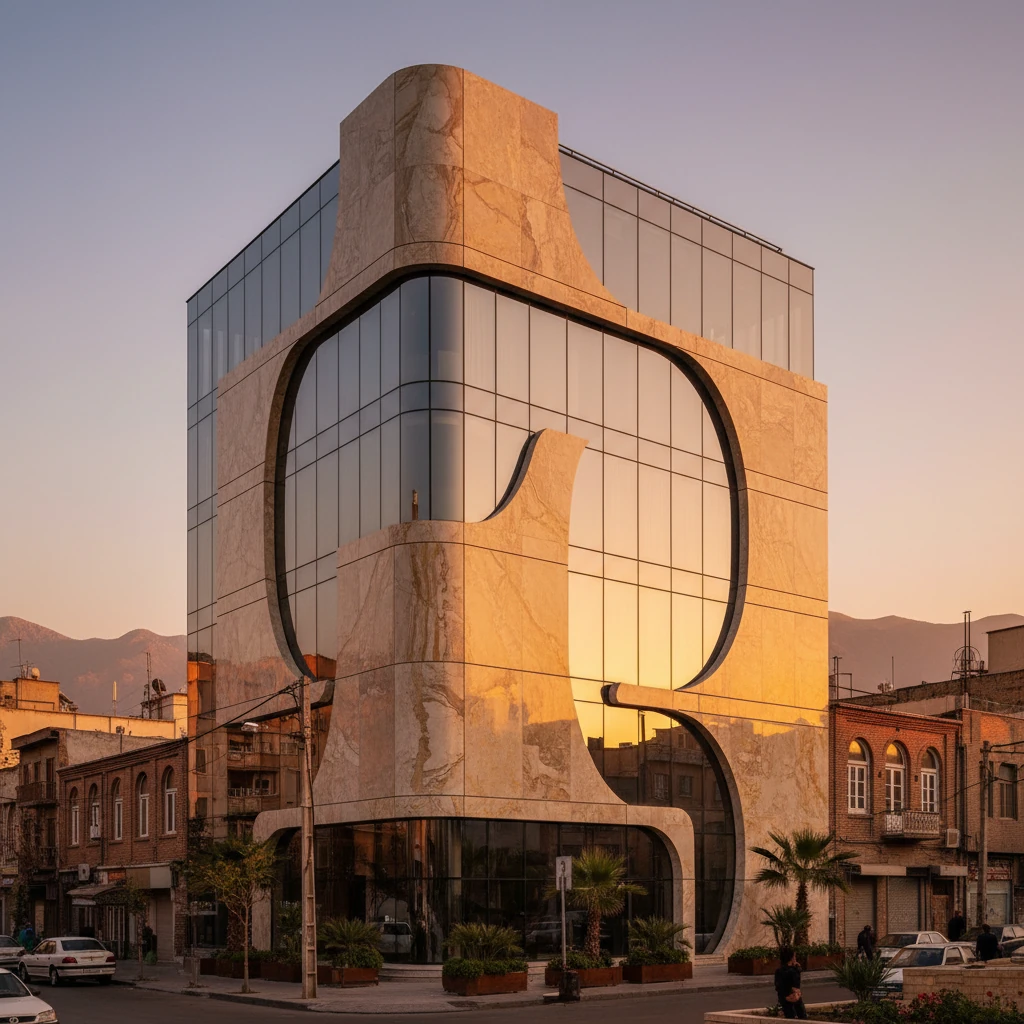
Every city—and every building—possesses a unique energy signature. Tehran, for instance, demands a balance between brightness and shadow, between privacy and openness. To design meaningfully here, one must work within context, not against it.
BISTOON Group approaches each project as a dialogue with its site. We decode climatic rhythm, user psychology, and cultural identity before the first sketch. Then we reconstruct with the language of flow.
By doing this, renovation becomes an act of listening rather than imposition—a restoration of dialogue between human and environment. This is contextual empathy, a principle at the core of all BISTOON projects since 2015.
V. Designing for the Invisible
The Architecture of Energy
When all technical layers unite—material resonance, rhythmic movement, temporal design—we arrive at the invisible architecture: the architecture of energy.
It cannot be photographed or rendered in a drawing. It can only be felt. The moment an occupant pauses without knowing why, breathes more deeply without instruction, or instinctively slows their pace—energy design has succeeded.
In BIEP‑2.0, the formula is simple yet profound:
Harmony of Flow = Rhythmic Continuity × Material Resonance × Memory Integration.
When this harmony is reached, renovation stops being a project and becomes transformation.
VI. Conclusion: The Silent Luxury of Energy
BISTOON Group defines luxury not by excess, but by alignment. Alignment between the mind, the material, and the surrounding field of light. Energy‑centric renovation seeks quiet precision, where each spatial decision re‑balances the occupant’s inner rhythm.
When rhythm guides behavior, light shapes emotion, and material encodes memory, the result is architecture with soul.
It is not static—it breathes. Not ornamental—it resonates. Not personal—it’s universal.
This is the essence of BIEP‑2.0 and the guiding philosophy of our practice:
to turn built spaces into living systems that heal, align, and inspire.
In the end, energy is the only true luxury—because it cannot be owned, only experienced.
This approach is aligned with energy-centric design principles
discussed by ArchDaily.