


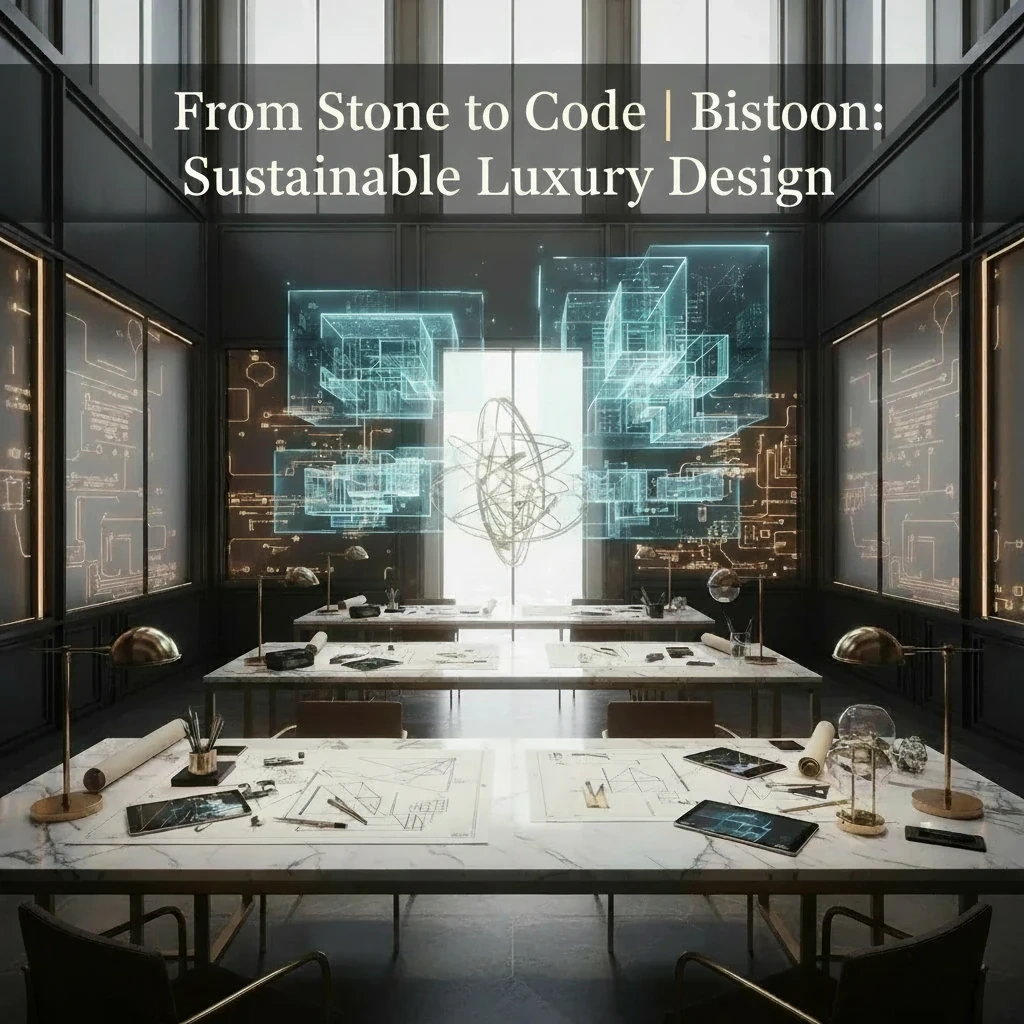
From Stone to Code: How Intelligent Design Shapes Sustainable Luxury
From Stone to Code — The New Language of Luxury Architecture
In today’s global architectural landscape, two apparently distant worlds — heritage and technology — are converging in ways that redefine luxury. In place of compromise between tradition and innovation, firms like Bistoon are proving that the two can coexist, reinforce each other, and create projects that are at once sustainable, human‑centered, and aesthetically exceptional.
Here, “stone” symbolizes permanence, authenticity, and cultural depth; “code” represents the intelligence of data, algorithms, and digital modeling. Between the two lies the signature design methodology that Bistoon has developed, merging intelligent design thinking with material honesty.
Intelligent Design — Beyond Geometry
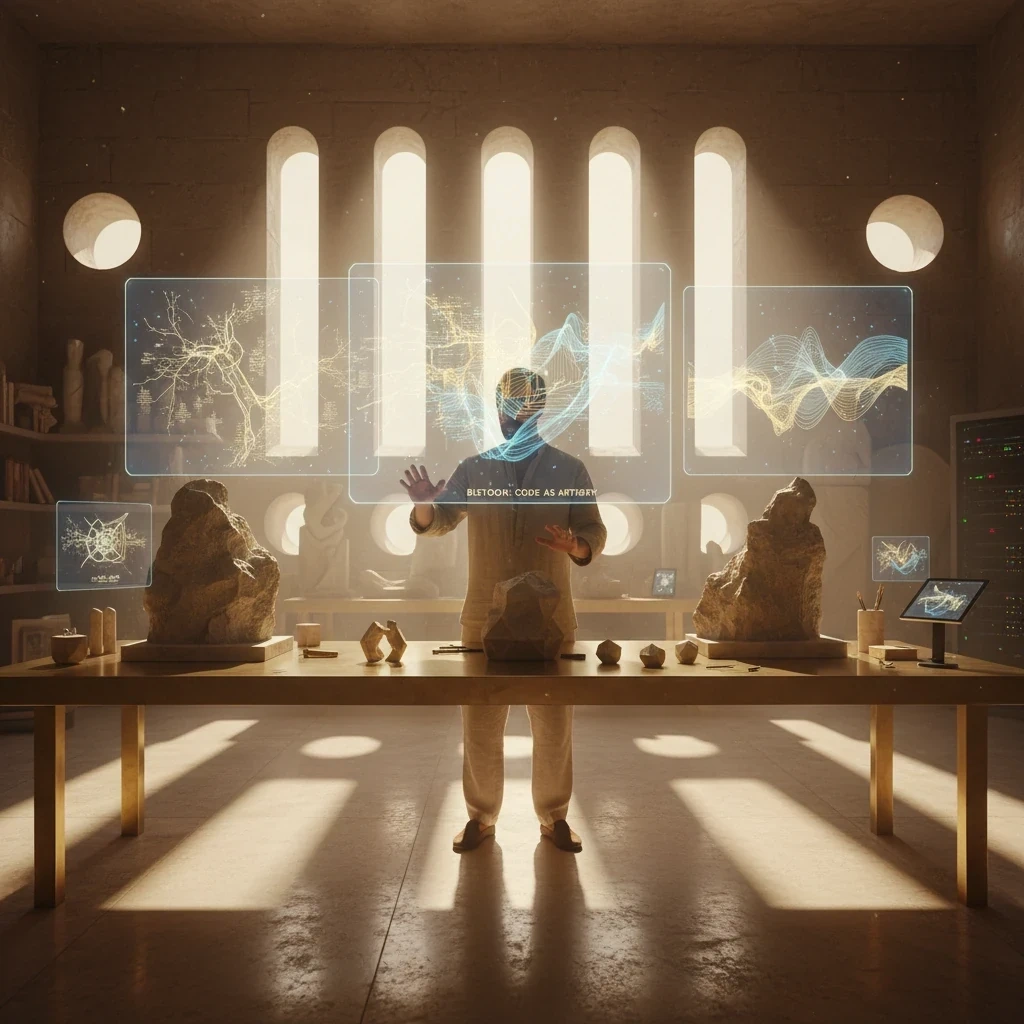
While many still equate “intelligent design” with ambitious shapes or visual spectacles, Bistoon redefines it as a cognitive process. Here, geometry is not the end result but a by‑product of deeper, data‑driven reasoning.
Core features of Bistoon’s Intelligent Design Process:
Data‑Driven Environmental Analysis
Leveraging site‑specific climate data, daylight simulations, and energy modeling to inform orientation, window geometry, and façade configuration.
Parametric Optimization
Using algorithmic modeling to quickly test and evolve multiple design scenarios, refining both efficiency and aesthetics.
Integrated BIM Workflow
Employing Building Information Modeling to connect design intent with construction precision — minimizing waste, scheduling errors, and cost overruns.
Human Experience at the Core
Every parameter ultimately optimizes for comfort, wellness, and emotional resonance, not just technical performance.
Sustainable Luxury — Harmony Between Quality and Responsibility
The conventional perception sees “luxury” and “sustainability” as opposites — one indulgent, the other restrained. Bistoon’s philosophy overturns that notion entirely:
- Sustainability means intelligent use of resources, efficiency in life cycle design, resilience to time.
- Luxury means craftsmanship, attention to detail, and spaces that evoke lasting emotional impact.
When combined, these define Sustainable Luxury — a deliberate investment in longevity, beauty, and ethical responsibility.
Key Pillars:
- Circular Material Strategies — using reclaimed stone, recycled metals, and locally sourced timber in premium applications.
- Longevity by Design — reducing replacement cycles through timeless aesthetics and robust structural systems.
- Energy‑Positive Operations — integrating renewable generation and passive design to deliver buildings that produce more energy than they consume.
Authentic Materials in the Digital Age
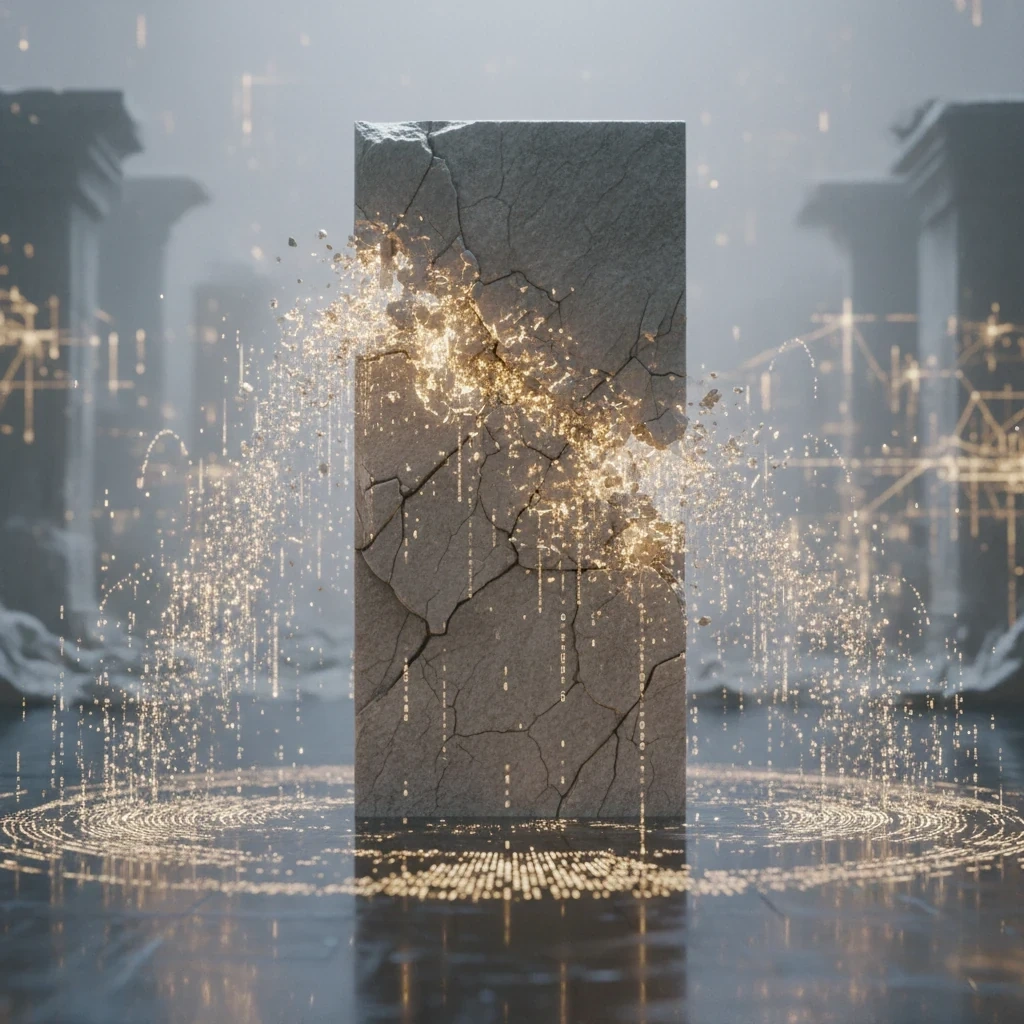
Heritage materials — like natural stone, clay brick, solid timber, and handmade ceramics — are more than physical substances; they carry cultural identity and historical continuity. In Bistoon’s work, these materials are integrated into a digitally optimized framework that enhances both performance and aesthetics.
Example Applications:
- Using laser scanning to map the micro‑texture of stone for precision prefabrication.
- Applying computational analysis to predict the weathering patterns of wood facades and plan maintenance schedules.
- Embedding sensors within masonry walls to track structural health over decades.
This synergy ensures the building’s soul endures while benefiting from modern technical assurance.
Technology as a Creative Partner
Where some firms view technology as an operational necessity, Bistoon treats it as a co‑designer in every project.
BIM as the Mind of the Project
Through BIM integration, every decision — from initial sketches to final fittings — is data‑linked. This fosters predictive design quality where cost, time, and resource flows are visible in real time.
Generative Design as an Idea Engine
Algorithmic exploration expands creative boundaries. Designs evolve like living organisms, adapting to constraints without losing artistic intent.
Simulation as a Decision Filter
Energy simulations, thermal mapping, and daylight studies act as filters that remove impractical or inefficient design iterations before they reach construction.

The Investor’s Perspective — Why Intelligent Design Matters
For high‑value real estate development and bespoke projects, Bistoon’s approach offers direct ROI advantages:
- Reduced Operational Costs — sustainability lowers utility bills and maintenance expenses.
- Brand Premium — properties designed by forward‑thinking firms command higher market value.
- Risk Mitigation — BIM and predictive modeling reduce unexpected expenses and delays.
- Future‑Proofing — assets remain functional and relevant in evolving climate and market conditions.
Signature Projects as Proof of Philosophy
(Here, an actual Bistoon portfolio reference could be added with permission for real SEO boost)
For example:
- Urban Heritage Renewal, Tehran — blending adaptive reuse principles with BIM precision and authentic Persian materials.
- Coastal Luxury Villa, Mediterranean — integrating passive cooling and renewable energy in a high‑end climate‑resilient retreat.
- Corporate Innovation Hub — merging parametric form with modular interior systems to enable flexible workplace evolution.
Global Relevance, Local Soul
Bistoon’s DNA holds a paradox: international design language combined with local authenticity. Whether in Tehran, Milan, or Dubai, the design process begins with understanding context: environmental, cultural, and emotional.
Conclusion — From Stone to Code is the Future of Luxury
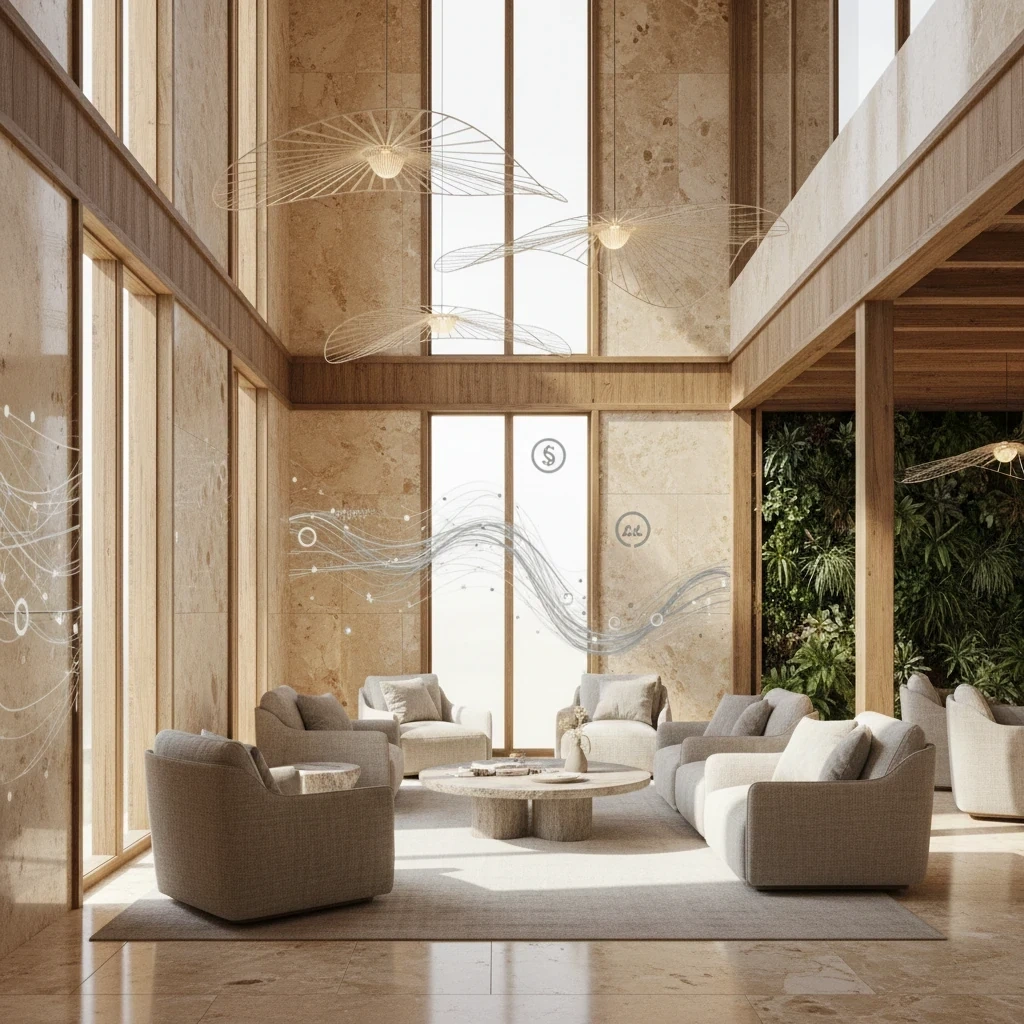
The fusion of material heritage and digital intelligence is not a style trend — it is a necessity for architecture that aspires to be both timeless and relevant. Bistoon’s work demonstrates that sustainable luxury is more than possible; it is the most responsible form of high‑end architecture.